


What is ARPS known for?
We are known for a complete range of refractory products manufactured in-house or sourced from approved quality-assured suppliers and distributers, civil construction, and even the creativity of arts and crafts.
How can i place an order or get a quote?
Quote requests for specific requirements, as well as orders, can be placed by contacting us directly through our website, email, or phone. Our customer service team will assist you with product selection and order processing.
What areas do you serve?
ARPS serves a wide range of areas within Sub-Saharan Africa and beyond. Please don’t hesitate to contact us.
Can you source products not mentioned on the product list?
Yes, we always welcome new product enquiries.
What are refractory products used for?
Refractory products are materials made to withstand very high temperatures, abrasion and chemical attack. They line furnaces, kilns, ladles, boilers and reactors in foundries, steel, cement, glass, petrochemical and power generation plants. ARPS supplies bricks, castables, boards and ceramic fibre insulation for these applications.
What ceramic fibre insulation products do you stock?
Our ceramic fibre range includes blanket, board, paper, rope, bulk fibre, modules, cloth, etc. They are used for kiln and furnace linings, gaskets and seals, expansion joints, pipe and duct insulation, and fire protection.
How do I choose the right refractory material for my furnace or kiln?
The right material depends on your temperature range, atmosphere, mechanical load and the metal, slag or chemicals involved. Our team works with you to select suitable products.
Do you sell pizza ovens and pizza oven materials?
Yes. We supply ready-made pizza ovens and we also sell pizza oven materials (floors, domes and insulation) for DIY builds.
What is the difference between air dry clay and pottery clay?
Air dry clay hardens at room temperature without firing, which makes it ideal for school projects, home crafts and figurines, and it can be painted once dry. Pottery clay is fired in a kiln and suits wheel throwing, hand-building and slip casting in studios and ceramics classes.
What is the difference between crack filler and quick set cement?
Crack filler repairs cracks in concrete floors, walls and driveways. It bonds well, resists shrinkage and leaves a smooth finish. Quick set cement sets within minutes, which makes it suited to filling holes, emergency pavement work and patching steps or curbs where downtime must be short.

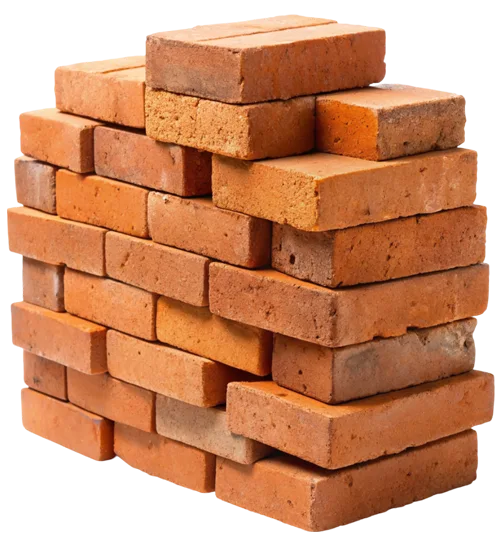
ARPS products include but are not
limited to the ones listed on this
Profile.
Arts & Crafts
Civil Solutions
Recycled Goods
Refractory Products
Have any questions?

Reach out &
connect with us

Telephone Number:
+27 16 454 5123
Email Address:
info@arps.co.za
Address:
1A King street, Duncanville Ext 3, Vereeniging, 1939.
Follow ARPS
Designed by Bunnypants Graphic & Web Design Studio | 2026
Follow ARPS